

The Sustainable Path for Extrusion Blow Molding: 4 Key Strategies to Balance Environmental Friendliness and Cost-Effectiveness
Against the backdrop of tightening environmental regulations and continuously rising raw material and energy costs, the extrusion blow molding industry is facing the challenge of transformation. How to reduce costs and implement sustainable development while ensuring product quality has become the key for blow molding enterprises to enhance their long-term competitiveness. This article will explain the necessity of implementing sustainable strategies and share practical approaches that balance both environmental friendliness and cost-effectiveness.
Why Must Blow Molding Enterprises Value Sustainable Development?
Sustainable development is not only a corporate social responsibility but also a key strategy for improving operational efficiency and market value. For blow molding manufacturers, implementing sustainable concepts can bring several tangible benefits:
• Reducing production and energy costs.
• Minimizing carbon footprint and greenhouse gas emissions.
• Enhancing customer trust and brand satisfaction.
• Attracting partnerships with international brands and investors.
• Strengthening corporate image and market competitiveness.
Evidence shows that sustainable development and blow molding production processes are not in conflict; instead, they can reinforce each other to create higher overall benefits.
4 Key Strategies for Blow Molding Enterprises to Simultaneously SaveCosts and Protect the Environment
1. Selecting Customized Extrusion Blow Molding Machines
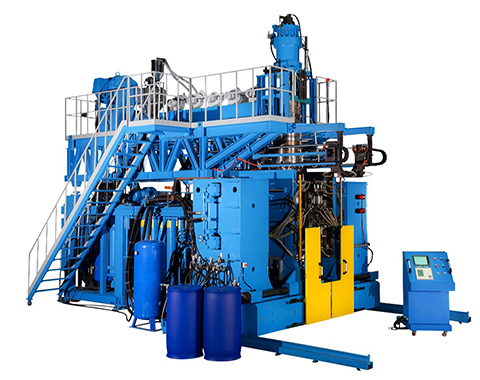
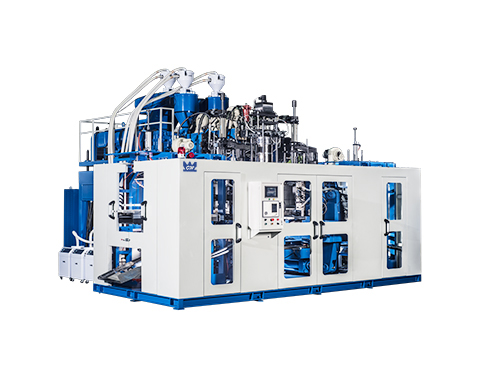
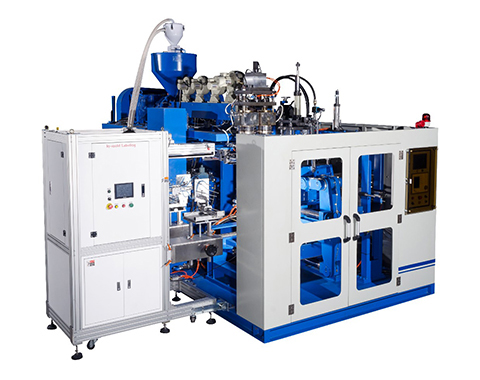
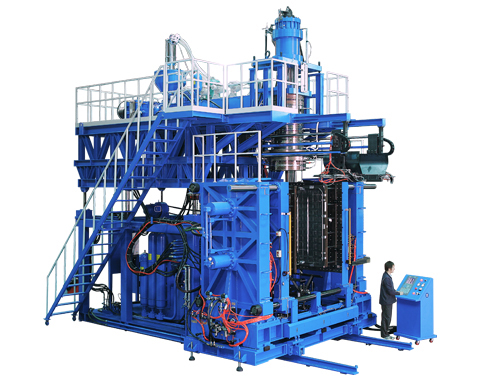
High-quality blow molded products come from stable and highly efficient equipment. By communicating product specifications and capacity requirements with a professional manufacturer, you can select the most suitable customized machine model, thereby avoid redundant configurations and effectively reduce long-term equipment and maintenance costs.
2. Adopting a Three-Layer Structure: Utilizing Recycled Materials and Calcium Carbonate (CaCO3) in the Middle Layer
Three-layer extrusion blow molding effectively reduces material costs by introducing recycled materials and calcium carbonate (CaCO3) into the middle layer. Taking HDPE plastic drums as an example, using 30%–35% recycled material and 30%–35% CaCO3 in the middle layer can reduce material costs by approximately 12%–15% while reducing the carbon footprint, thereby balancing cost-effectiveness and environmental needs.
3. Finished Product Structural Optimization and Lightweight Design
Resins commonly used in blow molding include HDPE, LDPE, PP, PC, etc. Enterprises should select materials that balance performance and environmental friendliness based on product applications and regulatory requirements. Through structural optimization and lightweight design, paired with a parison thickness control system (Parison Controller), material and energy consumption can be reduced while ensuring product strength, thereby improving overall production and transportation efficiency.
4. Implementing Energy-Saving Blow Molding Equipment to Effectively Control Energy Costs
Energy expenditure is one of the major operational costs in blow molding. Implementing energy-saving blow molding equipment and continuously optimizing factory electricity and pneumatic management can significantly reduce energy consumption and operational expenses, assisting enterprises in achieving their carbon reduction and sustainability goals.
Chen Way Machinery: Energy-Saving and Environmentally Friendly Extrusion Blow Molding Solutions
Chen Way Machinery focuses on the research and development of energy-saving, space-saving, and highly efficient blow molding equipment, helping customers achieve a balance between production efficiency and sustainable development. Adopting a design that combines servo motors with gas accumulators can effectively reduce energy consumption while boosting production speed and stability, enabling enterprises to continuously produce high-quality blow molded products while controlling costs.
- Video
Over 35 years of expertise in blow molding equipment make us the preferred choice for long-term partners.
How Sustainable Extrusion Blow Molding Controls Cost
Sustainability in blow molding begins with buying the right machine: sharing product specifications and capacity with the machine manufacturer avoids redundant configurations that add equipment and maintenance cost. A three-layer structure then lets recycled material and calcium carbonate replace part of the virgin resin in the middle layer of products such as HDPE plastic drums.
Lightweight design is the third strategy: structural optimization combined with a parison controller removes material where it is not needed while keeping strength. The fourth is energy; the article describes Chen Way's design approach of combining servo motors with gas accumulators to reduce consumption. The article on cost reduction strategies covers the same levers from a cost view; request a review of your current line to apply them.