
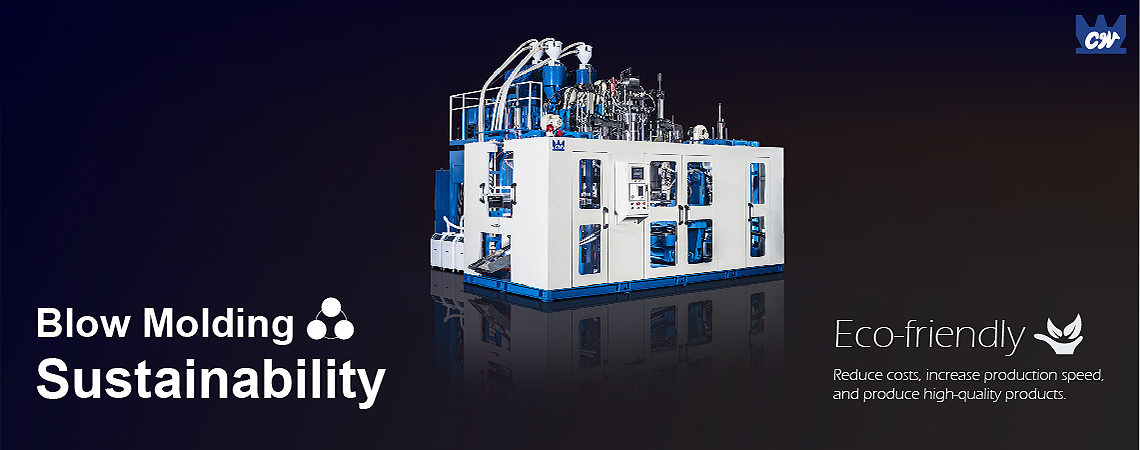
Three Key Blow Molding Strategies for Cost Reduction and Environmental Efficiency
As consumers place greater emphasis on corporate social responsibility (CSR) and environmental impact, sustainable operations have become central to corporate growth. In the extrusion blow molding industry, global manufacturers are actively seeking production methods that are both eco-friendly and cost-effective, balancing market competitiveness with environmental responsibility.
For extrusion blow molding companies, sustainability is not just a branding exercise; it directly impacts operational performance. By optimizing resource utilization and minimizing waste, companies can cut costs while enhancing brand reputation, attracting investment, and strengthening customer trust. Reducing carbon emissions and environmental burdens also paves the way for long-term stability and growth.
1. Material Optimization: In actual production, the process must begin with material selection. Different products—such as bottles, plastic drums, and jerry cans—all require appropriate resins based on their specific applications. By evaluating the performance and environmental properties of materials such as HDPE, LDPE, PP, and PC, manufacturers can select raw materials that meet product requirements and offer high recyclability, thereby establishing a solid foundation for sustainable production.
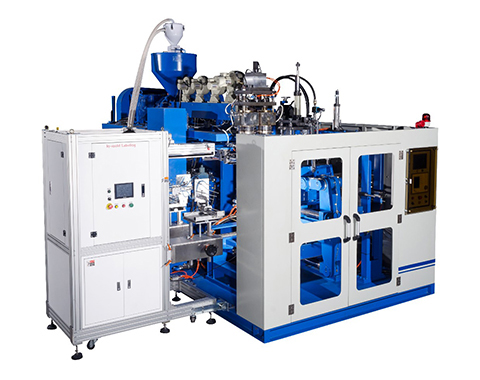
2. Formulation Adjustment: In addition, introducing calcium carbonate (CaCO3) into multilayer blow-molded products is a highly effective way to lower costs. Taking a three-layer structure as an example, adding recycled materials and CaCO3 to the middle layer can partially replace virgin resin, thereby reducing raw material expenses and lowering the carbon footprint. For instance, a client in Kenya utilizes a blow molding machine to produce HDPE plastic jerrycans for edible oil; this multilayer structural design successfully balances cost-efficiency with product quality.
3. Energy Management: Energy management is equally critical. Selecting high-efficiency machinery and monitoring power consumption can significantly reduce energy expenditures. Through equipment upgrades and systematic management, companies can not only lower operational costs but also achieve their energy-saving and carbon-reduction targets.
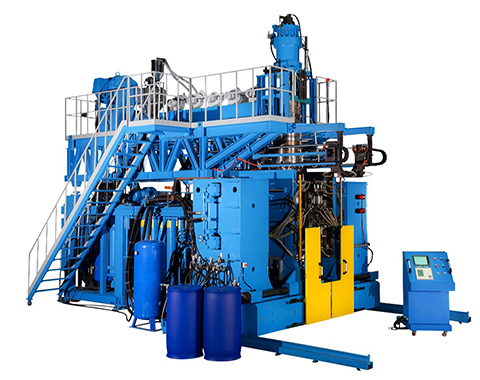
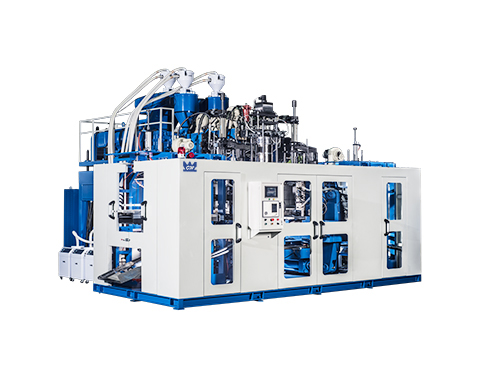
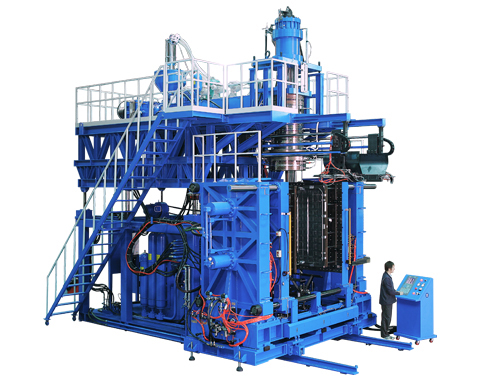
Chen Way Machinery continues to develop energy-saving models that combine servo motors with a GAS ACC design. This ensures product quality while maximizing production efficiency and minimizing operational costs. Overall, by focusing on material optimization, formulation adjustments, and energy management, enterprises can effectively reduce costs and achieve a more sustainable future in a highly competitive market.
- Video
Over 35 years of expertise in blow molding equipment make us the preferred choice for long-term partners.
How Material, Formulation and Energy Lower Cost
The first cost lever is the resin: bottles, plastic drums and jerry cans each need a grade suited to their use, and comparing HDPE, LDPE, PP and PC for performance and recyclability sets the base for lower waste. The second is formulation; in a three-layer structure, recycled material and calcium carbonate in the middle layer partly replace virgin resin, an approach used for HDPE edible oil jerry cans.
The third lever is energy. Monitoring power use and selecting efficient machines reduce running costs, and Chen Way is developing energy-saving models that combine servo motors with a gas accumulator design for the hydraulic system. Both points can be raised when specifying a new project; the three-layer continuous machine shows how the formulation lever is built into the equipment. Request a formulation review to see how the levers apply to your container.