
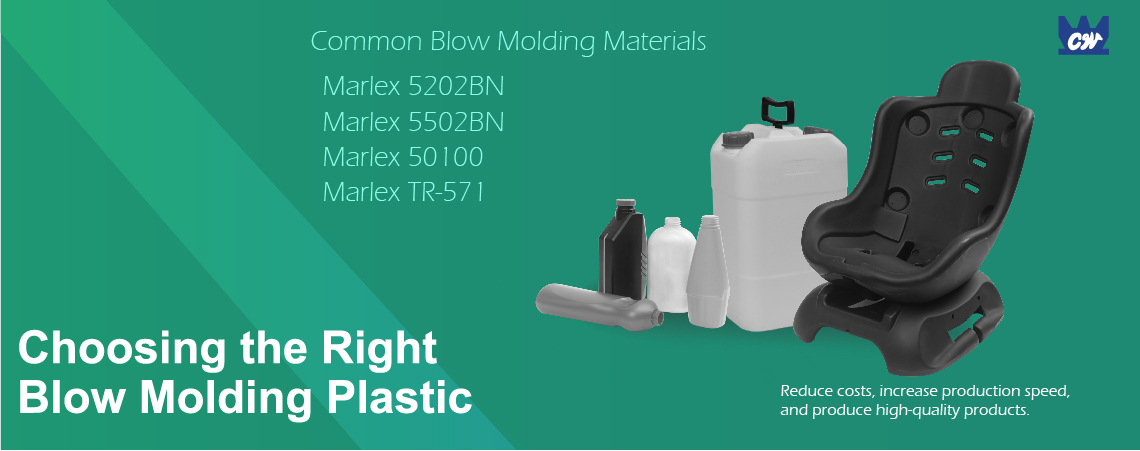
How to Choose the Right Blow Molding Material for Your Project
Choosing the right blow molding resin for your next project is essential to ensuring both product quality and manufacturing efficiency. Although extrusion blow molding offers flexible customization capabilities, selecting the appropriate material is just as important as investing in high-quality equipment. Different applications require blow molding resins with different properties. The materials must meet the product's functional requirements and the environmental conditions that may be encountered during actual use.
Before selecting material, it is important to fully understand the intended use and performance requirements of the final product. Factors such as appearance, strength, flexibility or rigidity, chemical exposure, and environmental conditions should all be evaluated. A clear understanding of the product’s application allows for more effective material selection.
At the same time, understanding resin suppliers is equally important. Major blow molding material suppliers include Chevron Phillips, Exxon Mobil, Dow Chemical, and LyondellBasell. Since each supplier offers different resin grades and performance characteristics, selection should consider not only material properties but also supply stability, technical support capabilities, transportation costs, and lead times.
Once product requirements and supply sources are defined, manufacturers should request a Technical Data Sheet (TDS) from the supplier. TDS documents provide critical information such as melt strength, density, processing characteristics, and operating recommendations. These data points help determine whether a material meets performance expectations, ensure consistent product quality, and reduce production defects.
Most blow molding materials are thermoplastic polymers that soften when heated and solidify upon cooling. Among them:
High-Density Polyethylene (HDPE) offers low cost, excellent chemical resistance, good toughness, and compliance with food-contact standards, making it widely used for milk bottles, plastic drums, and industrial containers.
Low-Density Polyethylene (LDPE) provides greater flexibility and is suitable for soft packaging applications such as squeeze bottles.
Polycarbonate (PC) delivers excellent transparency and impact resistance, making it ideal for medical devices, automotive components, and large water bottles.
Polypropylene (PP) is lightweight and chemically resistant and is commonly used in medical and consumer product applications.
Among these materials, HDPE remains one of the most widely used plastics in blow molding, valued for its affordability, recyclability, chemical resistance, and balanced mechanical strength.
For example, the Marlex® HDPE product line from Chevron Phillips Chemical offers grades tailored to different application requirements and is recognized for excellent melt strength, stable processing performance, and strong environmental stress crack resistance (ESCR), making it a popular choice across the blow molding industry.
Overall, selecting the right blow molding material should begin with understanding product requirements, then balancing material performance with supply chain considerations. A well-informed material selection process helps ensure smooth production and optimal product quality.
| Product | Application | Application volume | MI (g/10min) | Density (g/cm3) | Technical Data Sheet |
|---|---|---|---|---|---|
| Marlex HHM 5202BN Polyethylene (HDPE) | - Oil bottles - Household and industrial chemical containers - Toys - Personal care products | 250mL - 1L | 0.35 | 0.951 | Marlex HHM 5202BN Polyethylene Technical Data Sheet |
| Marlex HHM 5502BN Polyethylene (HDPE) | - Ice chests and coolers - Household and industrial chemical containers - Food packaging - Pharmaceuticals | 1.5L | 0.35 | 0.955 | Marlex HHM 5502BN Polyethylene Technical Data Sheet |
| Marlex HXM 50100 Polyethylene (HDPE) | - Fuel containers - Agricultural chemical tanks | 2L - 5L / 10L - 25L | 10.0 | 0.948 | Marlex HHM 50100 Polyethylene Technical Data Sheet |
| Marlex HXM TR-571 Polyethylene (HDPE) | - Jerry cans - Open top drums - 220L L-ring drums | 200L | 0.02 0.14 2.5 | 0.953 | Marlex HXM TR-571 Safety Data Sheet |
Over 35 years of expertise in blow molding equipment make us the preferred choice for long-term partners.
From Product Requirements to Blow Molding Material Grade
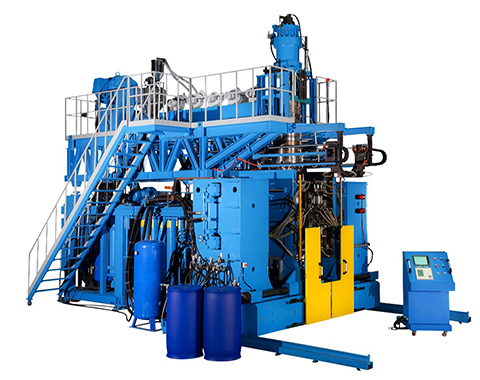
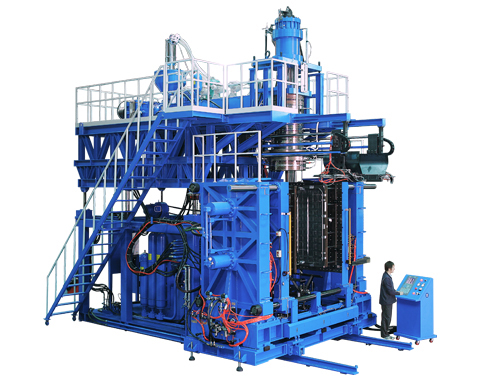
Material choice starts with how the product will be used: appearance, strength, flexibility or rigidity, chemical exposure and the environment it will face. HDPE is one of the most widely used blow molding resins for its toughness, chemical resistance and cost, from milk bottles to plastic drums; LDPE suits squeeze bottles, PC gives clarity and impact strength for large water bottles, and PP is light and chemically resistant.
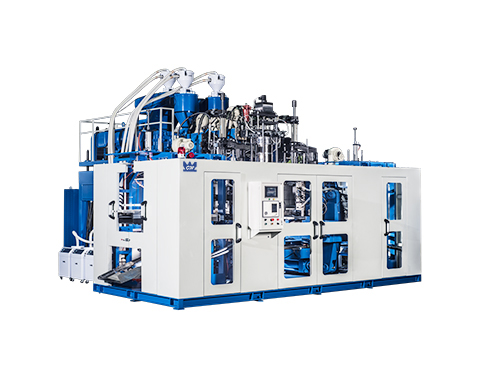
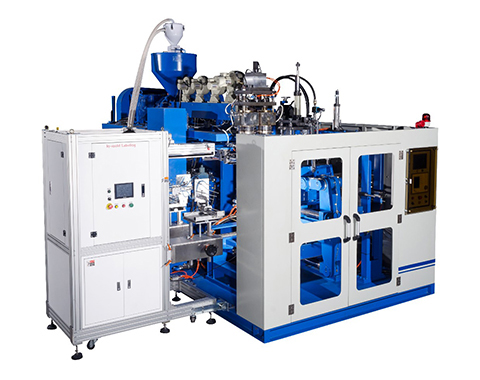
Supplier matters as much as polymer type, because grades differ in melt strength, density and processing window, and supply stability, technical support, freight cost and lead time all affect the decision. Request the Technical Data Sheet and compare melt index and density with the container size; the Marlex grades in the article run from bottle grades to TR-571 for 200 L drums made on the double L-ring drum machine. Send the resin data sheet for a processing check.